Spotlight on Natasha Nankivell, Founder & Partner, Global Alternative Funds & Peter Lyneham, Senior Adviser, Global Alternative Funds
Global Thought Leader Spotlight
Natasha Nankivell, Founder & Partner, Global Alternative Funds & Peter Lyneham, Senior Adviser, Global Alternative Funds

Natasha Nankivell is the Founder and Partner at Global Alternative Funds (GAF). Natasha founded GAF in 2019 after a 30-year career in investment banking and private markets. GAF was created to facilitate her family's investments with top-tier private market funds globally and to extend co-investment opportunities to other family offices and high-net-worth investors.
As the Founder and Partner, Natasha oversees the daily operations of GAF, collaborates with other GAF partners on investment decisions, and leads the firm’s engagement with their co-investors and advisers.
Peter Lyneham is a Senior Adviser at GAF. Working with the GAF team, Peter is responsible for conducting manager sourcing, assessment and selection.
Peter brings over twenty-five years of private company direct investing experience, most of which was within Goldman Sachs’ Merchant Banking Division. Peter and his team approach manager diligence and selection in much the same way that they conduct due diligence on any private direct investment, with forensic analysis, expert pattern recognition and qualitative scrutiny.
Capital flowing into private markets
Private markets continue to attract significant capital inflows. At the same time, we are witnessing private markets evolving structurally, with broader macro and structural trends creating sectoral pockets of high growth. GAF believes that it is critical in private markets investing, to ensure that your investments are on the correct side of global capital flows – not just today, but over a ten-year investment horizon.
Some areas GAF has invested in recently to take advantage of capital flows over recent years include:
National security, aerospace and defence - Capital is flowing to mission-critical software, dual-use technologies and contract-backed businesses with high barriers to entry and durable government demand off the back of geopolitical shifts.
A.I. - Artificial intelligence is emerging as a foundational, long-duration investment theme across private markets, driving demand for capital well beyond application-level consumer software.
Energy transition and grid reinforcement - Funds targeting renewables, grid modernisation and decarbonisation themes are capturing interest as long-duration private assets - particularly in markets where energy security is a top strategic priority.
Financial services - With a focus on consolidation of financial services firms and tech enablement of legacy systems in developed markets.
Sports, entertainment and royalties - Creative capital structuring is expanding the opportunity set for private strategies to capture non-traditional recurring revenue.
Demand from high-net-worth and ultra-HNW investors for private equity and private credit is accelerating, reflecting both rising wealth and a strategic shift toward illiquid strategies that can deliver diversification and differentiated return streams compared to public markets. Managers are looking to tap into this future potential by diversifying their capital base, both geographically and by investor type, in response to growing competition for large institutional allocations.
Top managers are selectively raising capital from HNW and ultra-HNW investors through feeder funds, separate accounts, and co-investment vehicles, while simultaneously expanding into new markets in Asia, the Middle East, and Latin America to tap additional pools of long-term, strategic capital. This diversification allows GPs to reduce reliance on traditional institutional LPs, increase fundraising resilience, and maintain flexibility in deployment strategies.
Implications for sophisticated investors
The trends outlined above highlight significant opportunities in private markets. As with any investment, one must also be prudent to the risks.
Investors should be thinking about:
Allocating to high-conviction sectors with structural tailwinds - Look for sectors that offer durable growth drivers and those that may deliver outsized long-term returns. Allocations should be informed by manager expertise and deep due diligence, focusing on strategies that demonstrate operational value creation and sustainable competitive advantage.
Manager selection is more important than ever - Manager selection is increasingly critical as capital flows concentrate among top-performing GPs. Diversification across geographies, deal sizes, and sectors can help manage distributions, concentration, and valuation risks while still capturing the illiquidity premium.
There is no robust alternative to proper due diligence - Private credit and private equity valuations have been elevated in certain sectors. Investors should favour top tier managers with rigorous underwriting, differentiated sourcing, flexible financing, and experience navigating market cycles.
By combining selective sector exposure, diversification amongst the best managers, disciplined underwriting, and appropriate liquidity planning, investors can position portfolios to capture long-term growth opportunities while mitigating concentration, valuation, and performance risks inherent in private investing.
In addition, Australian sophisticated investors must assess how best to access these opportunities. Traditionally, most institutional quality investments have been hard to access for Australia-based family offices and high net wealth investors but there are an increasing number of vehicles becoming available in the market. It is imperative to choose vehicles wisely and with careful consideration to appropriateness of fees, robustness of liquidity provisions, valuation incentives etc.
Natasha and Peter will be presenting at Global Investment Institute’s upcoming Family Office Investment Forum, taking place on Thursday, 19 March 2026 in Melbourne CBD, Victoria. To register your interest in attending, click here or for more information email zlatan@globalii.com.au.
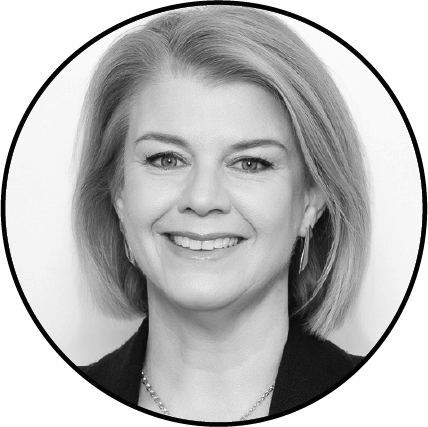
Natasha Nankivell, Founder & Partner, Global Alternative Funds
Natasha is Founder and Partner at Global Alternative Investments. Prior to founding Global Alternative Funds, Natasha was Managing Director and Global Partner at The Carlyle Group from 2011-2018.
During her time at The Carlyle Group Natasha was responsible for Carlyle’s relationships with Institutional and High Net Worth investors across Australia and New Zealand, working with her clients on portfolio development and investment opportunities across all alternative asset classes of private equity, private debt, infrastructure & energy and real estate.
Natasha joined The Carlyle Group from Macquarie Group where she was Executive Director and Head of Private Capital Markets for Asia. Over her career in investment banking which to date has spanned 30 years, Natasha has held senior positions at banks and other financial institutions. These include Challenger Financial Services, Merrill Lynch International and Bankers Trust.
Natasha is currently a Governor of the Board of Trustees and Investment Committee Member of the Centenary Institute and was previously Chair of Queensland Investment Corporation’s Private Capital Markets Investment Committee and a Council Member at the University of Wollongong. Natasha has a Bachelor of Science in Pure and Applied Mathematics from the University of New South Wales in Sydney, Australia.
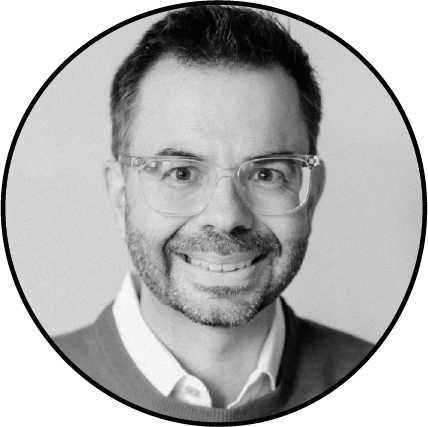
Peter Lyneham, Senior Adviser, Global Alternative Funds
Peter is a Senior Adviser at Global Alternative Investments. Previously, he was a Managing Director and founding member of Goldman Sachs’ Infrastructure Investment Group, having joined Goldman Sachs in 1999. He began his career with Goldman Sachs in Sydney and moved to London in 2004, where he was one of the three founding members of the Goldman Sachs infrastructure investing business within the firm’s Merchant Banking Division. Goldman Sachs Infrastructure Partners (now West Street Infrastructure Partners), managed approximately US$10bn in infrastructure equity capital at the time of Peter’s departure at the end of 2016.
Peter sat on the Infrastructure Investment Group’s Investment Committee and on Goldman Sachs’ firmwide Physical Commodity Review Committee. He also sat on the boards of Associated British Ports, the UK’s largest port company, Redexis Gas, Spain’s second largest gas transmission and distribution business, and Elenia, Finland’s second largest electricity distribution and district heating company.
Since leaving Goldman Sachs, Peter has continued to advise and invest his own capital alongside partners in both direct private investments and through alternative managers.
Peter has a Bachelor of Commerce (First Class Honours, major in Finance) and Bachelor of Laws from the University of New South Wales in Sydney, Australia.

Global Investment Institute is Australia’s leading provider of conferences for capital allocators.
We connect institutional investors, family office and private wealth investment leaders with peers and global investment experts to share knowledge and thought leadership in a private, collegiate and discussion-focussed setting, conducted under Chatham House Rule.
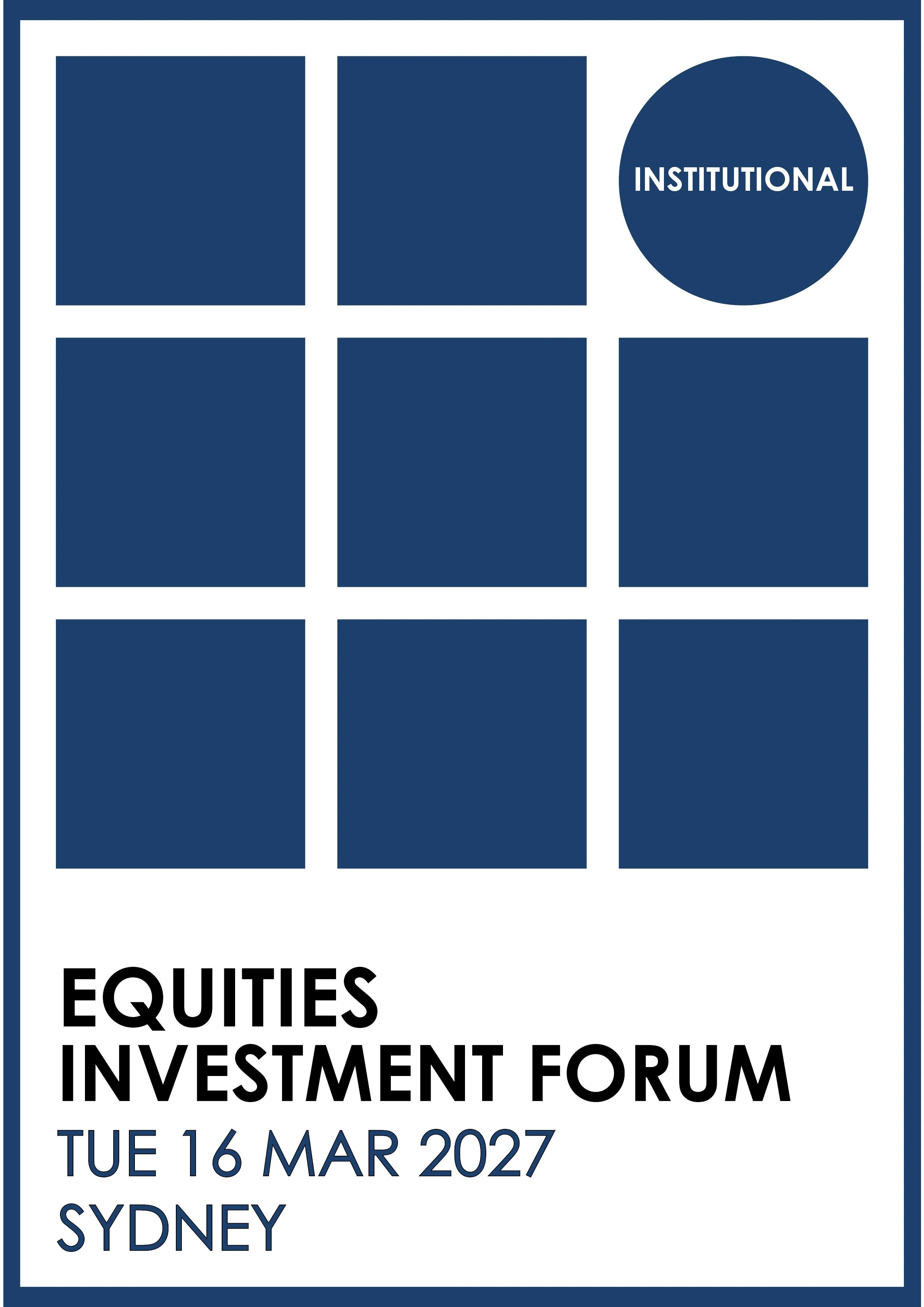
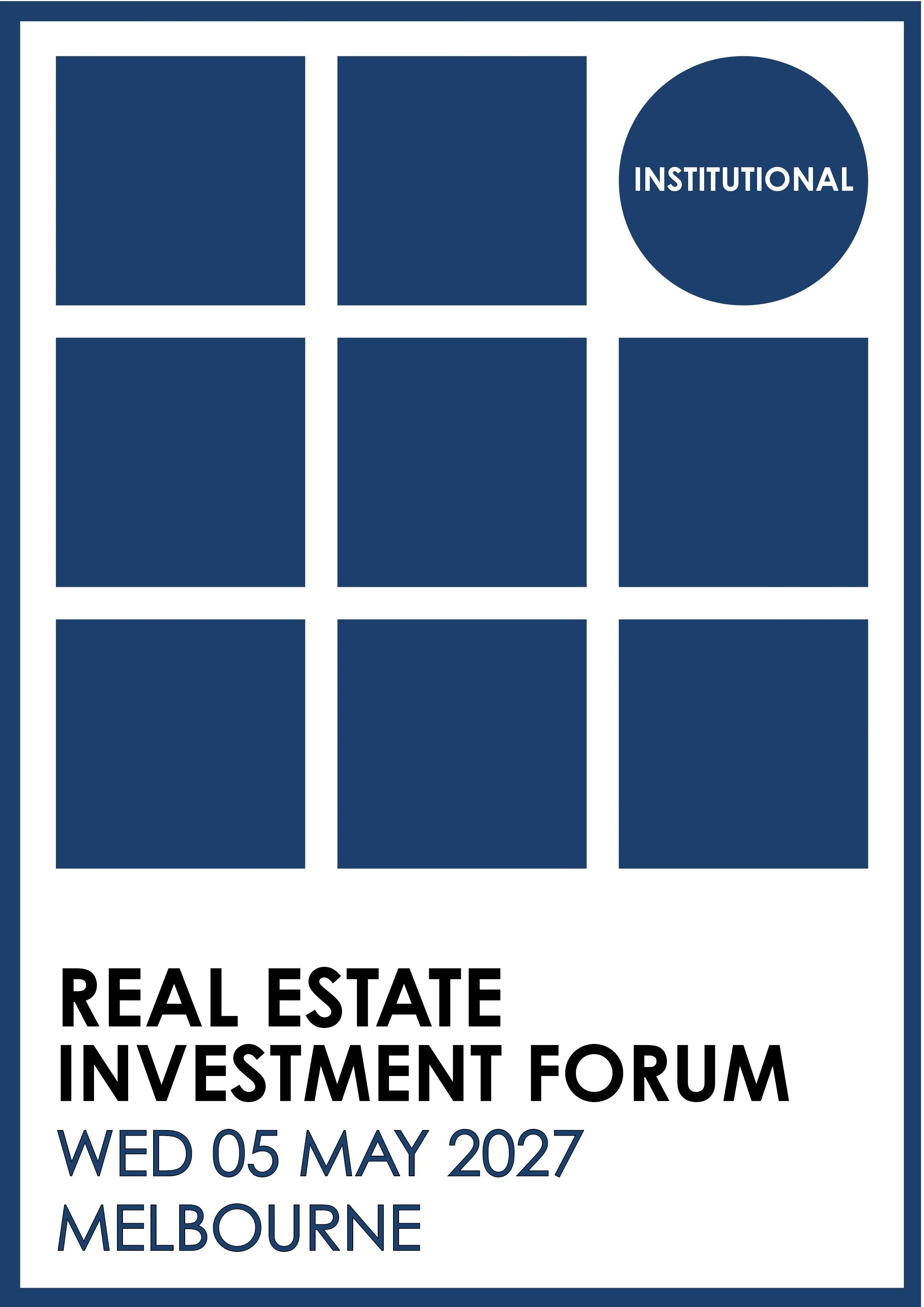
Our upcoming events include:




If you have enjoyed reading this article, please subscribe to GII Insights, delivered monthly, direct to your inbox and it is FREE!
Disclaimer
The views and opinions expressed in this publication are those of the individual contributors and their respective organisations at the time of publishing. They do not necessarily reflect those of Global Investment Institute (GII). These views are not intended to be, and should not be construed as, investment advice or research. They are subject to change without notice, and no representation is made as to their ongoing accuracy or reliability. Forecasts, forward-looking statements, or opinions are inherently uncertain and based on assumptions, risks, and external factors which may change over time. The individuals interviewed have no obligation to update any statements made.
International investments carry additional risks, including potential loss of capital, currency fluctuations, differences in accounting standards, and economic or political instability.
All information contained in this publication is general in nature and does not take into account the financial objectives, situation, or needs of any individual or organisation. It should not be used as the sole basis for making investment decisions. GII strongly recommends seeking independent, fee-for-service financial advice before acting on any information contained herein.
Contributors, guest writers or interviewees may hold personal or professional financial interests in the investments discussed. The editorial team has assessed that these interests have not influenced the content of this publication.
All content featured in this publication is protected by copyright. No part may be reproduced, distributed, or transmitted in any form without prior written permission from the Global Investment Institute.