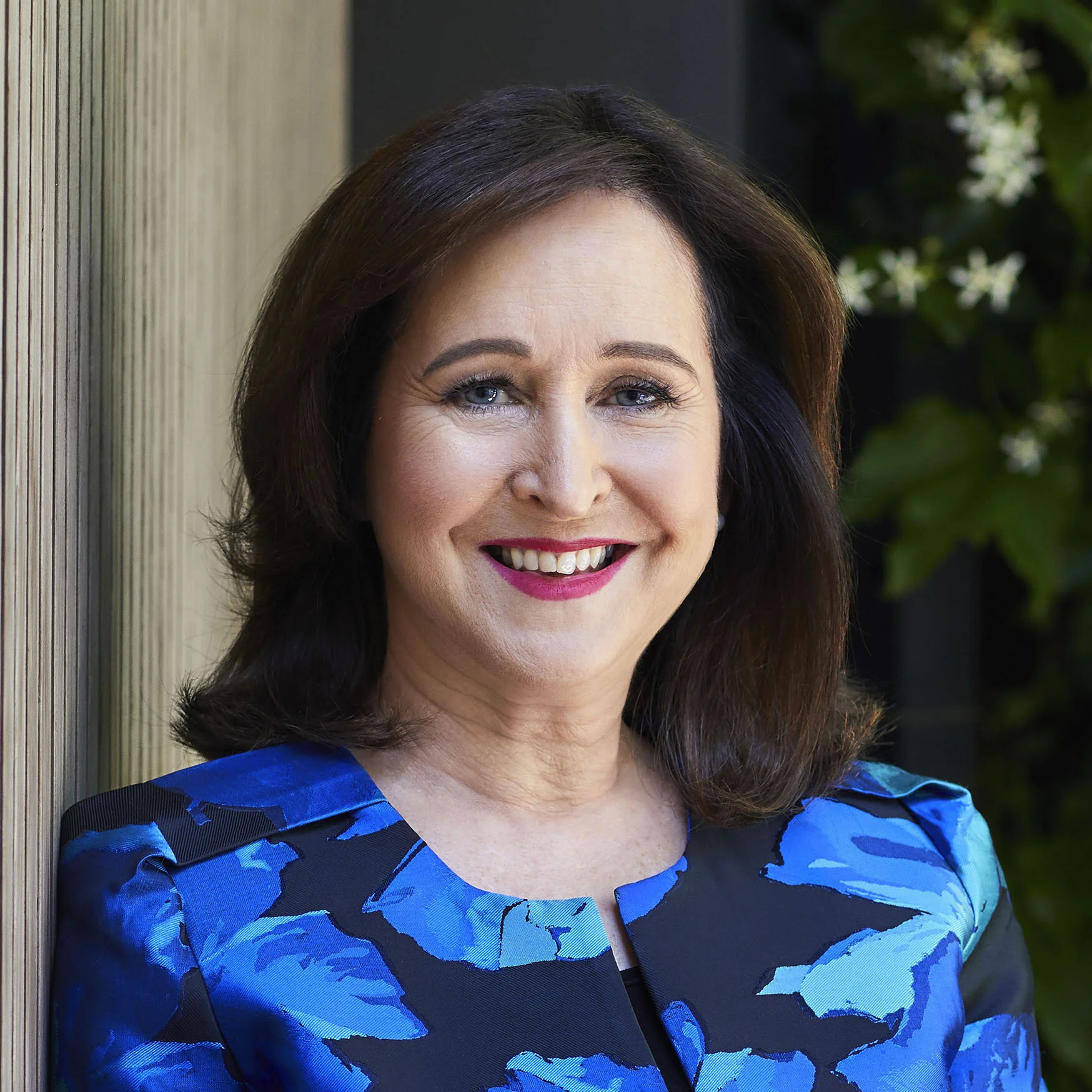
COVID-19 has possibly triggered a paradigm shift. Seemingly, it will be very difficult to go back to doing what we used to do, in the way we used to do it. The focus for me in my role primarily centres around assessing the impact of COVID-19 on both investments and business strategy and thinking about how to develop a longer-term approach that is robust to whatever the new normal will look like as we emerge from the crisis.
Read MoreInvestors should be wary of paying a premium for investment strategies that worked well over the past 10 years.

Rather, investors should be focusing on themes that will benefit from the combination of re-activated fiscal policy, the preparedness of central bankers to accommodate ballooning budget deficits as a means of trying to push inflation higher, and the growing market power of ‘Big Tech’.
Read MoreA razor-sharp focus on resilience marks a back-to-basics approach to investing. Market prices will increasingly reconnect with their fundamentals as key central banks lose potency in artificially boosting asset values and dampening volatility. Their debt monetisation policies – including yield curve control – will erode their independence and see the return of inflation.
Read MoreWith the heavy focus of Australian institutional investors on exploring opportunities in China, we spoke with Dr Henry Zhang, Chief Investment Officer of a China based hedge fund, High Hope Wisdom Capital and discussed the key dynamics playing out in China that make it an attractive destination for foreign capital and how best to access the opportunity set.
Read MorePerformance matters. Funds not seeking to improve their performance metrics may be forced to close to new membership under APRA’s Performance Benchmarking.
Read MoreThere is evidence of growing consumer interest and care in how and where their money is invested. A ‘financial returns at all costs’ approach no longer stands up to scrutiny as an investment thesis.
Read MoreThe biggest challenge capital allocators currently face is the impact central bank policies are having on investment markets. The implementation of significant QE policies and reduction in interest rates has had a major impact on investment fundamentals, but valuations will undoubtedly return to their cyclical norms.
The evolution of Statewide Super’s asset allocation over the last five years has seen an overall reduction in bonds and equities, with an uptake in alternative strategies.
Australian institutional investors need to be aware of, and accept that, a large proportion of the best investment ideas are going to be domiciled in offshore markets moving forward.
As super funds, we talk a lot about being long-term investors and utilising the opportunities this affords us. Yet, there are some structural issues that can push us to be more short-term focused and this can impact our ability to attain desired long-term outcomes.
Despite challenges COVID-19 has presented, HESTA is forging ahead with ambitious plans by addressing climate change, internalising their Australian equities investment function and advocating for greater gender equality in efforts to build back a more resilient, sustainable and equitable economy.
The future of investment lies in the intersection of human and machine decision making, leveraging emerging tech and its ability to derive insights from complex and varied data, coupled with the expertise of portfolio managers and human insights.